Kettlebell training after 50.
A kettlebell is one of the most useful tools for staying strong after 50. One bell trains strength, grip, balance and power, and it fits in a corner of your home. This page explains why kettlebells work for older adults, how to start safely, and where to find Master Phil Ross's guides to training after 50.
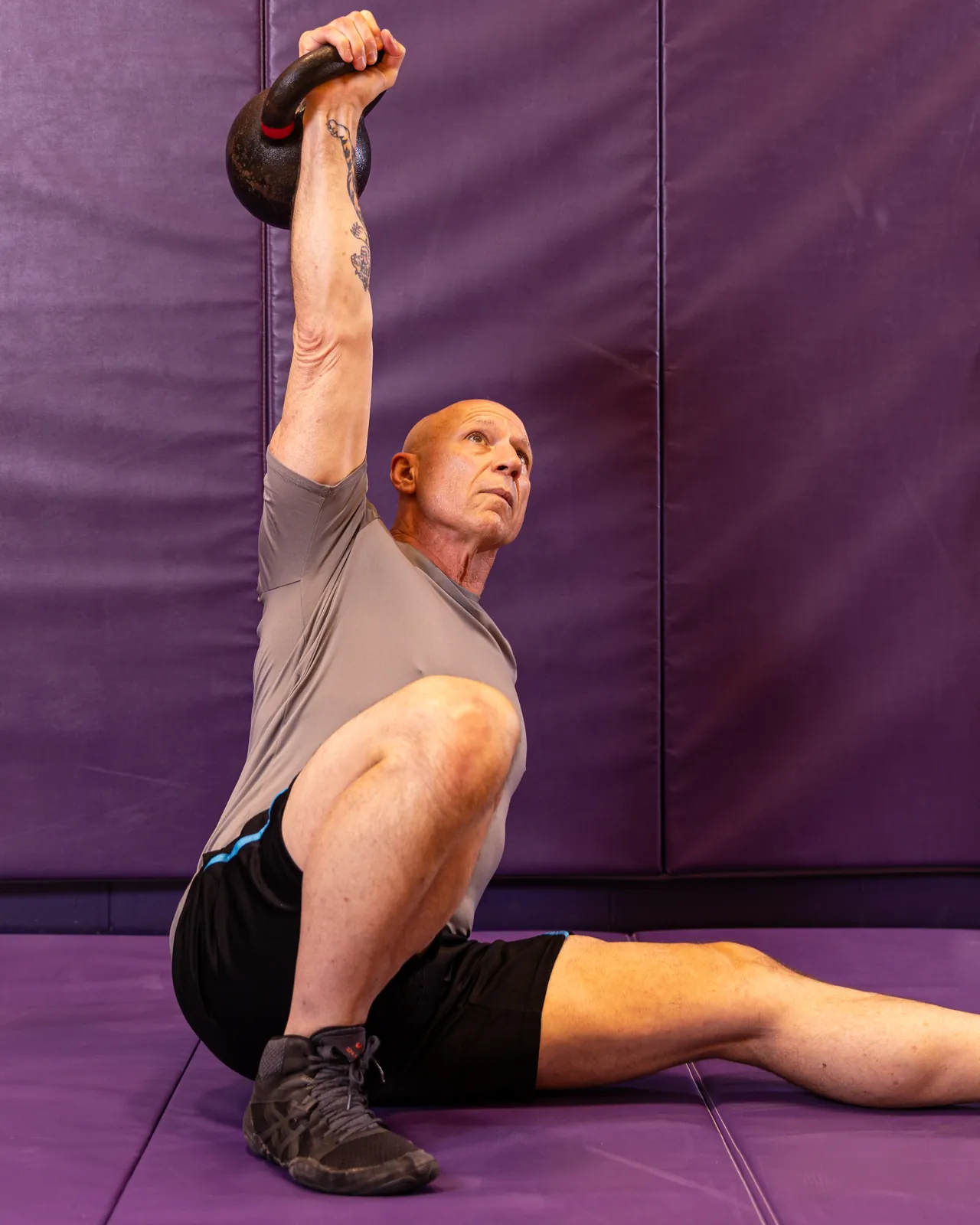
Strength you can use.
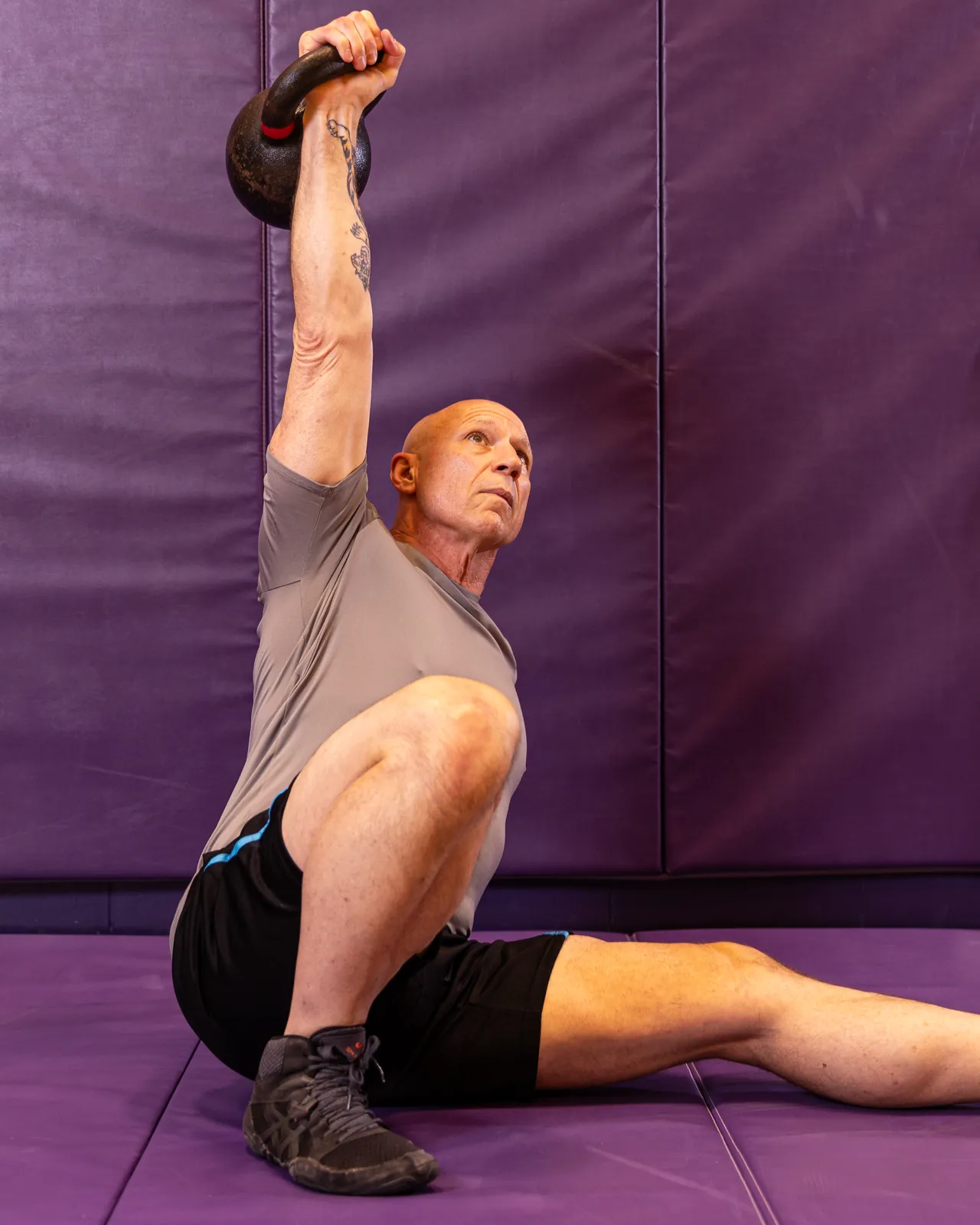
After 50, the goal is strength that helps in daily life: getting up off the floor, carrying groceries, climbing stairs and catching yourself when you trip. Kettlebell exercises train those same movements. Goblet squats, deadlifts, rows and presses cover most of what you need, and the Turkish get-up adds balance and body awareness.
How to start safely.
Most injuries come from doing too much too soon. These three rules from Master Phil Ross keep the first months safe and steady.
Talk to your doctor first if you have heart disease, uncontrolled blood pressure, a recent injury or any condition that limits activity.
Practice each exercise with no weight or a light bell until the form feels natural. Good coaching early on prevents most injuries.
Finish each session feeling you could have done a little more. Add a few reps or a little weight every week or two, and treat sleep, protein and rest days as part of the plan.
Training after 50, explained.
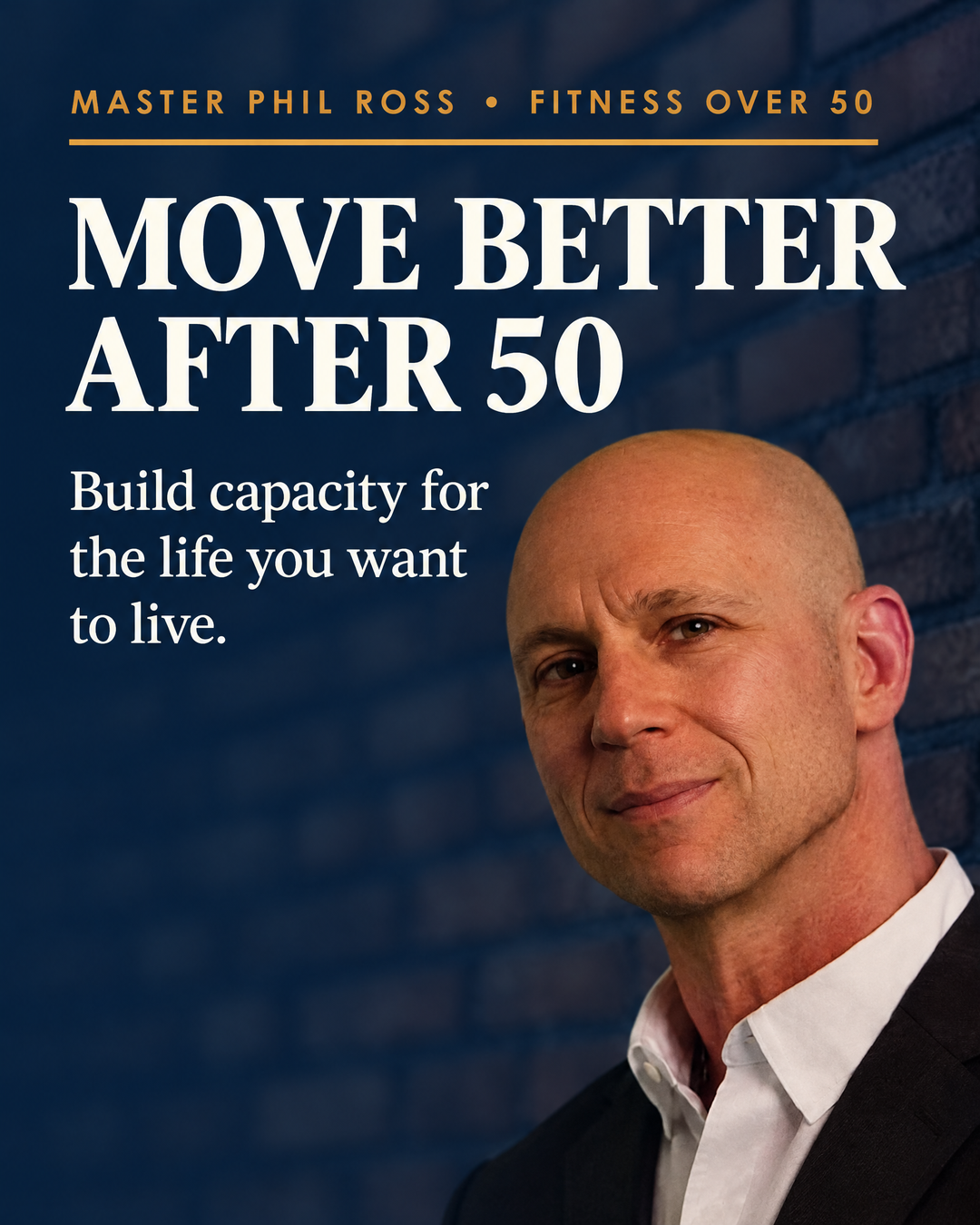
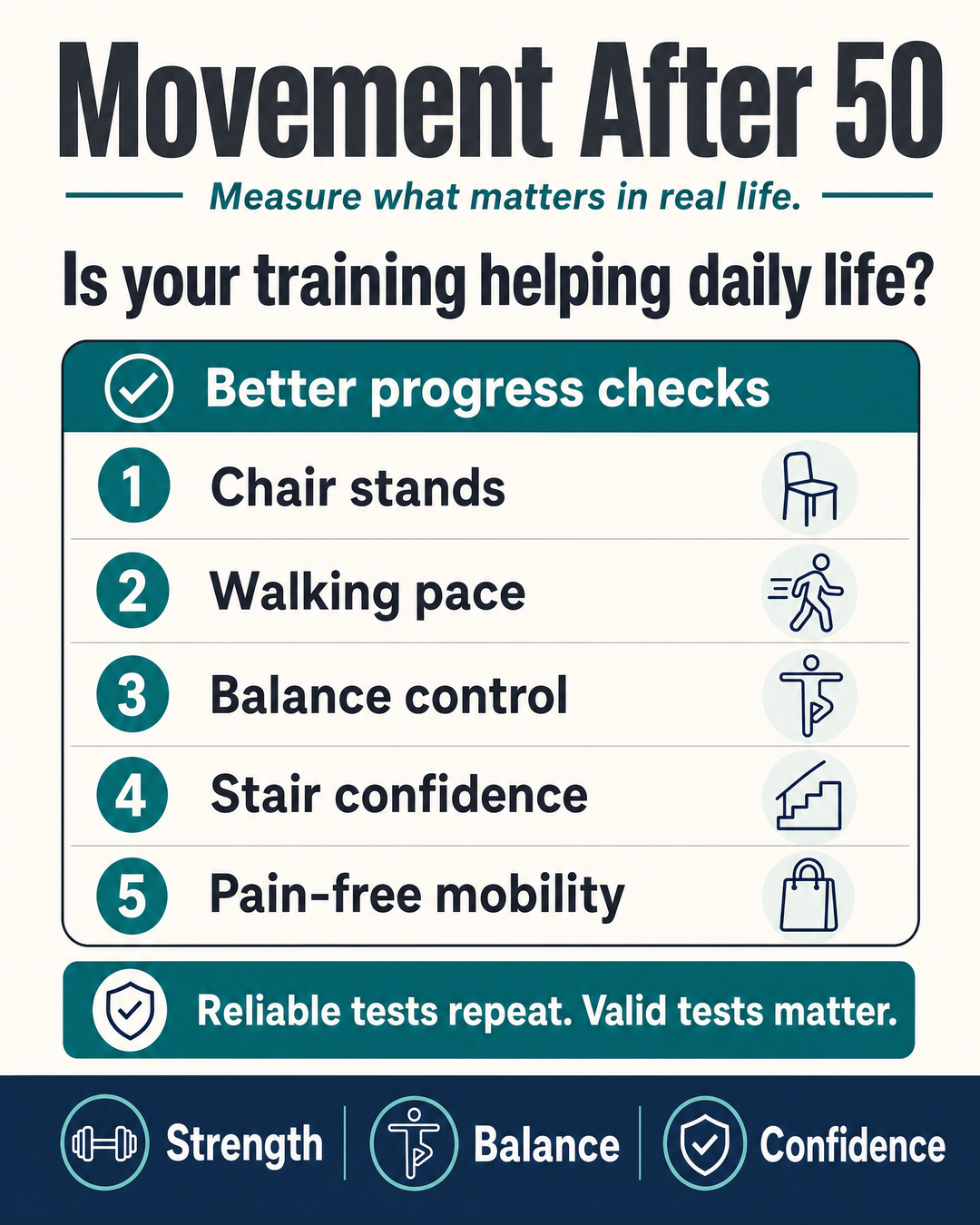
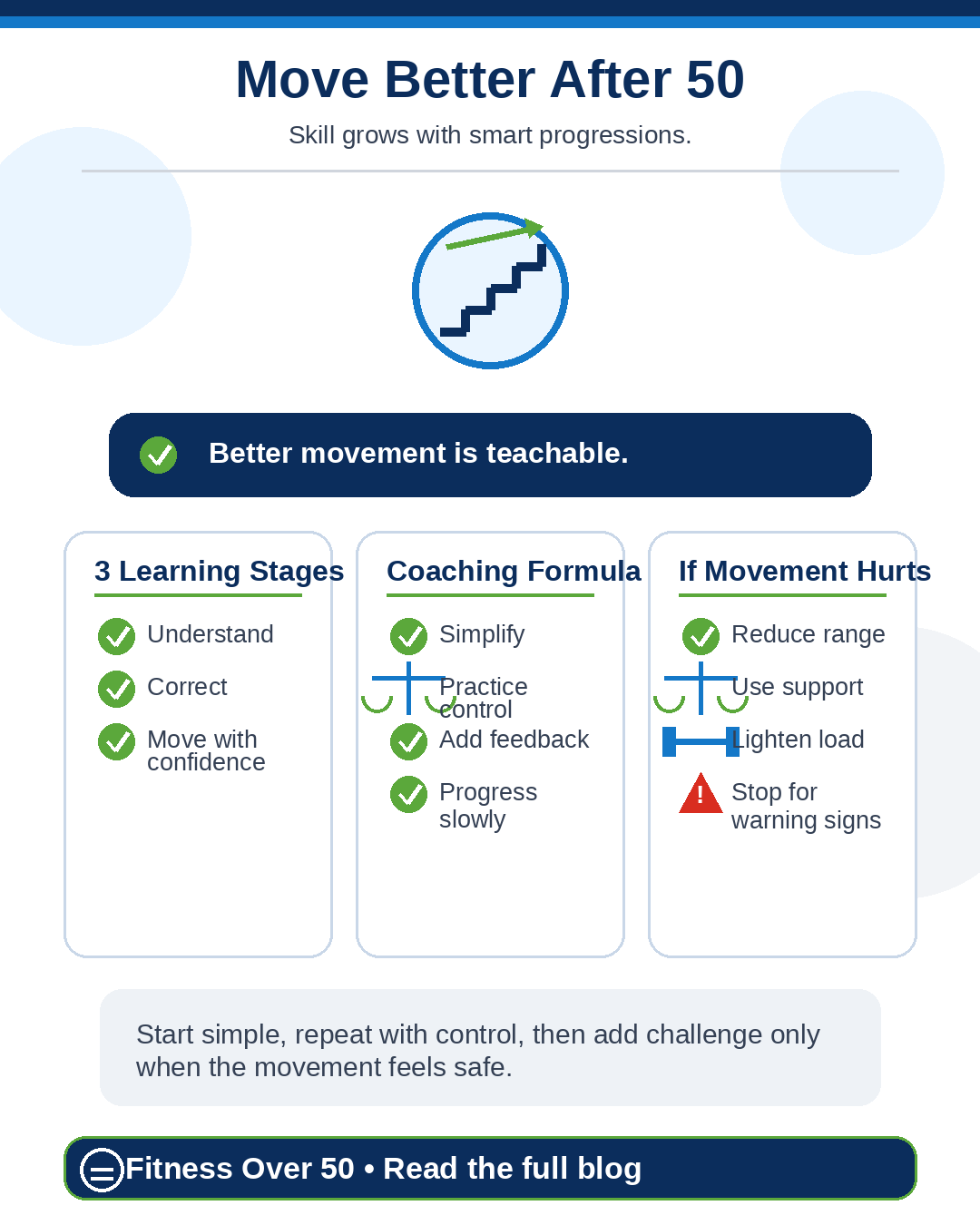
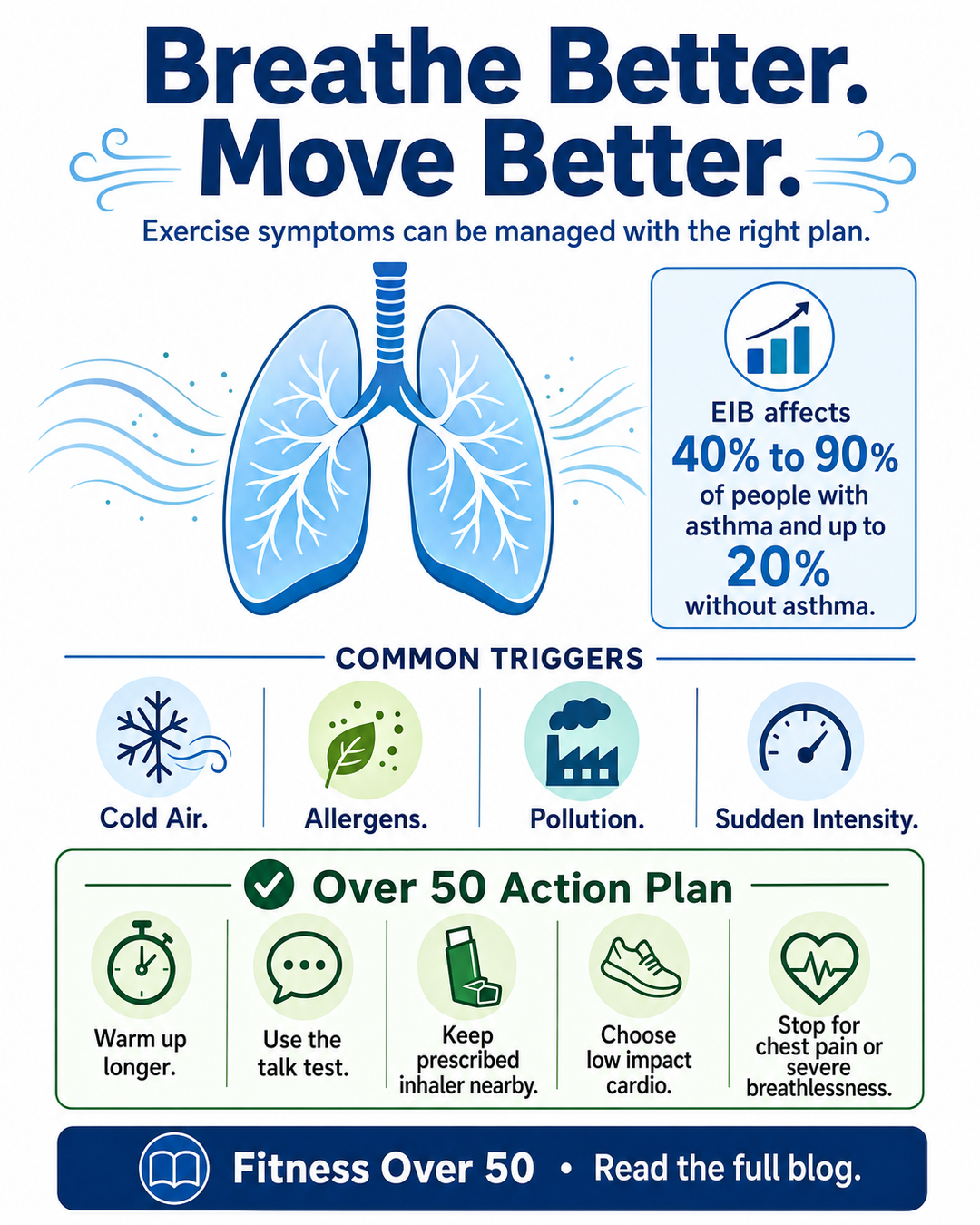
Master Phil Ross's articles on building muscle, balance, energy and recovery after 50, with the research behind each one.






Questions and answers.
Common questions about kettlebell training for older adults. For anything specific to your health, ask your doctor.
Is kettlebell training safe for seniors?
For most older adults it is, when you learn the movements first and start with a light bell. Check with your doctor before you start if you have heart disease, uncontrolled blood pressure, a recent injury or any condition that limits activity.
What weight kettlebell should I start with?
Start lighter than you think you need. You should be able to finish each set with good form and a few reps to spare. A certified instructor can help you choose a starting weight for each exercise.
How often should I train after 50?
The CDC recommends that adults 65 and older do muscle-strengthening activities at least 2 days a week, along with 150 minutes of moderate activity and some balance work each week. If that is too much at first, start below it and build up.
Which kettlebell exercises are best for older adults?
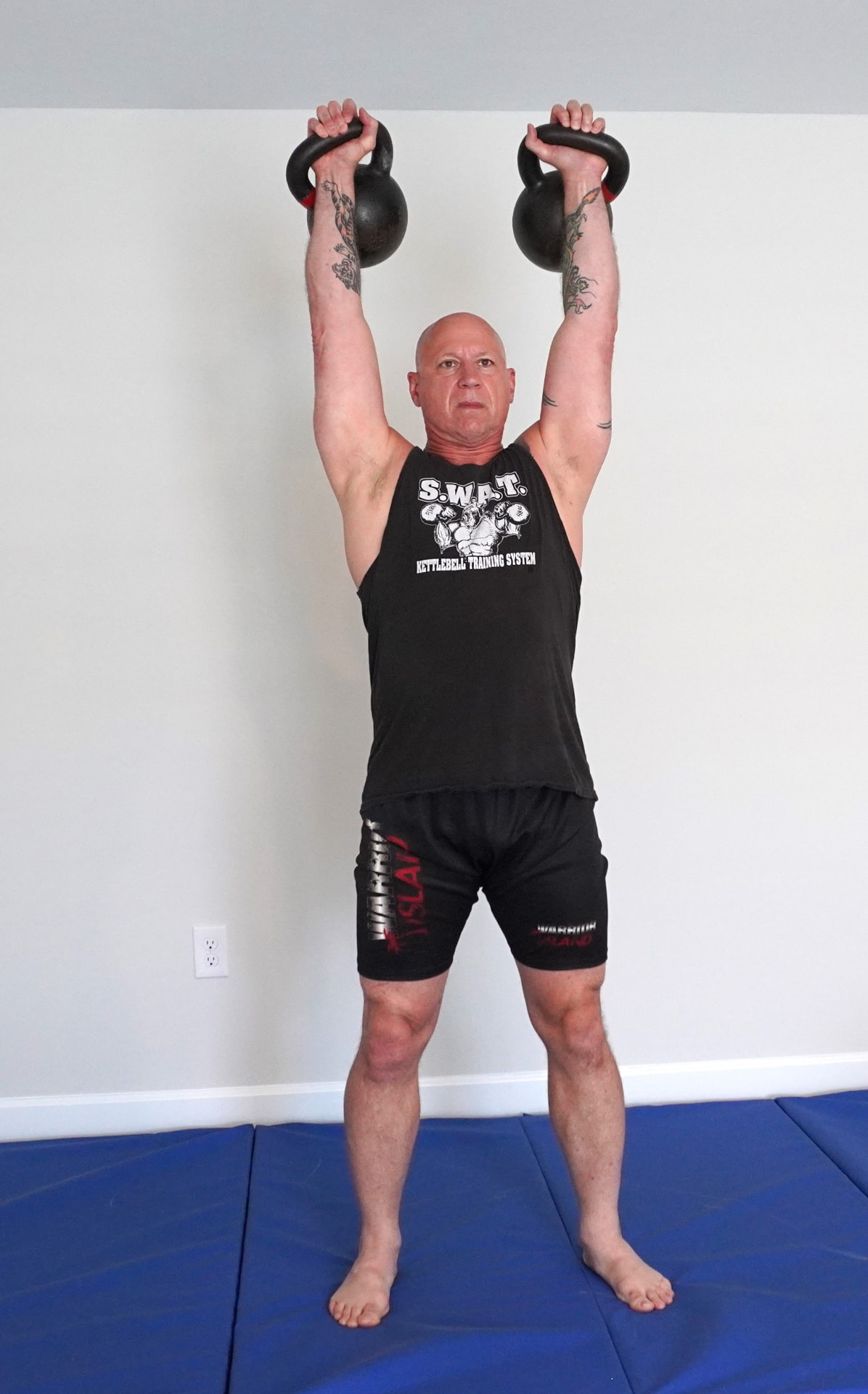
Goblet squats, deadlifts, rows and presses cover most of what you need. The Turkish get-up trains balance and body awareness. Learn each one with no weight or a light bell before adding load.
Is it too late to start strength training at 60 or 70?
No. Studies of adults in their 70s, 80s and even 90s show real strength gains from regular resistance training. Phil covers the research in his article on building muscle after 50.
Can I find a BodyBell Method instructor near me?
Certified BodyBell Method instructors are listed on the Instructors page, with contact details for each one. Most are in New Jersey and New York.
Teach kettlebells to older adults.
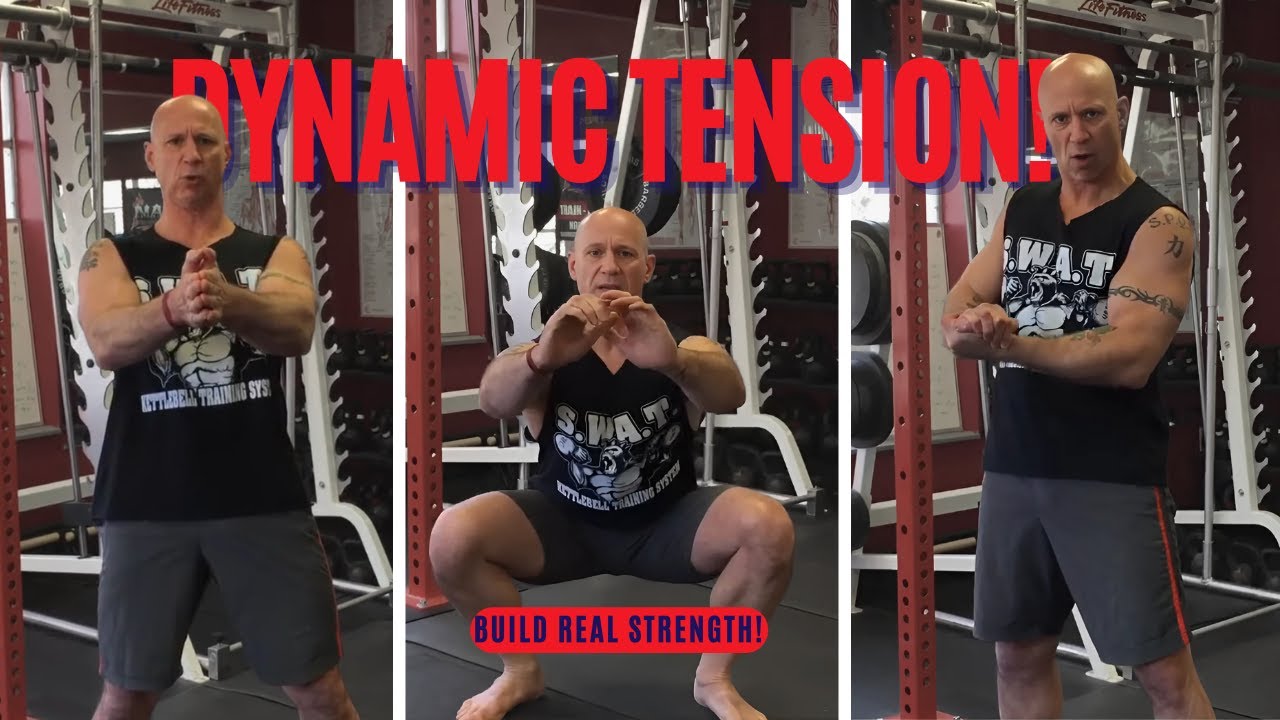
The BodyBell Method certification prepares personal trainers, group instructors and physical therapists to teach kettlebell training, bodyweight exercises and dynamic tension, with a focus on safe technique.