Move Better After 50: Build Strength, Balance, and Confidence for Life
Healthy aging means building the strength, balance, stamina, and confidence to keep taking part in the life you enjoy.
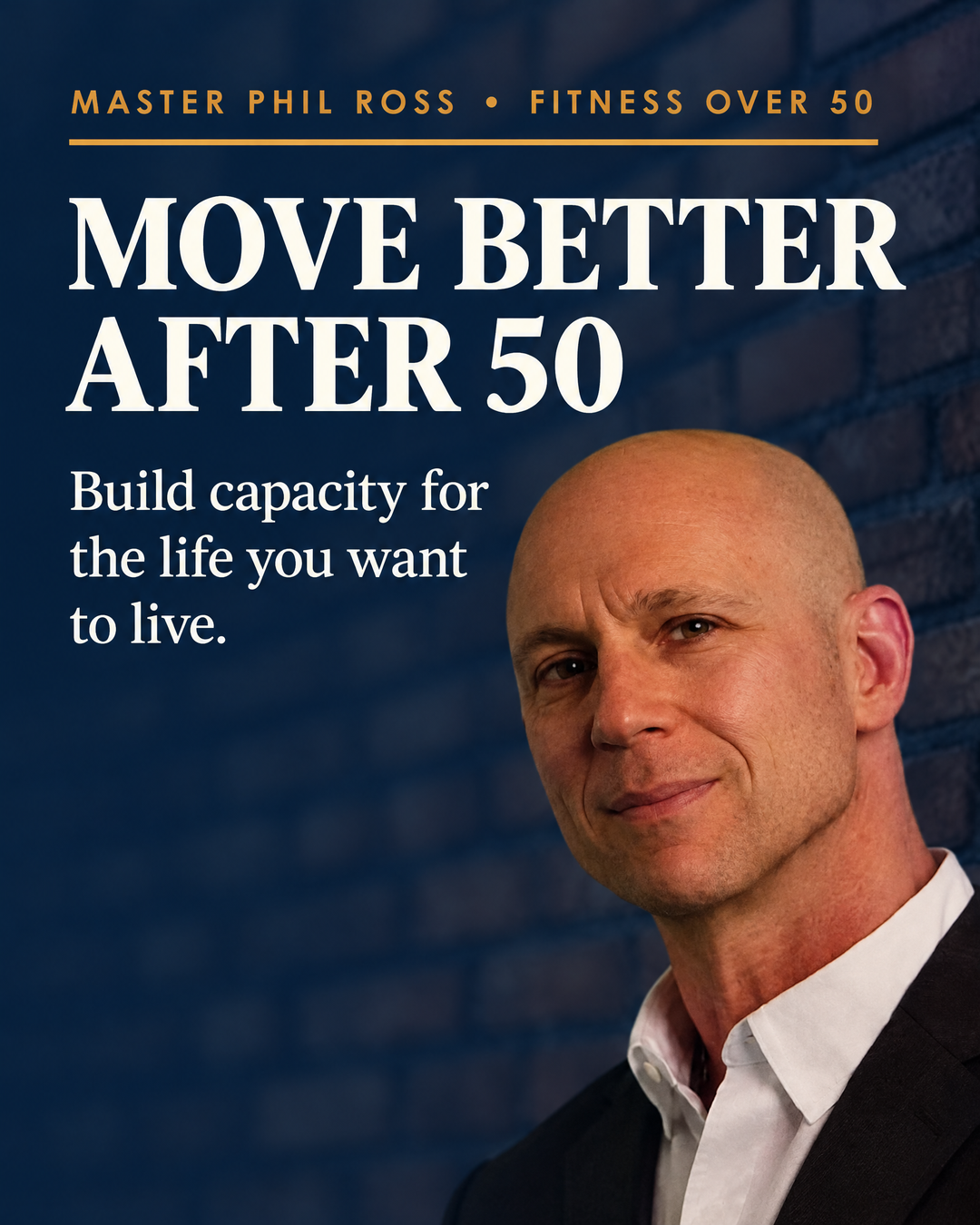
Healthy aging is not a score on a scale or the result of one hard workout. It is the ability to walk with confidence, get up from a chair, carry groceries, reach overhead, recover from activity, and keep taking part in the life you enjoy.
That is the central idea behind the original article, Health and Fitness Overview: American Today. It connected exercise, physical activity, nutrition, pain, and movement quality. Its message still matters: when moving becomes difficult, people often become less active. When activity becomes less frequent, strength, stamina, balance, and confidence can decline.
For adults over 50, the answer is not to chase exhaustion. The answer is to build capacity in ways that fit your body today.
The Bottom Line
Your health is supported by more than body weight, more than a gym routine, and more than a single type of exercise. A complete plan includes regular aerobic activity, strength work, balance practice, nutritious food, sleep, and recovery.
That approach is especially important when pain, stiffness, arthritis, an old injury, fear of falling, or a long break from exercise makes movement feel harder than it used to.
Health Is Bigger Than the Scale
The original article correctly recognized that excess body weight and inactivity are important public-health concerns. Current CDC data show that more than two in five U.S. adults have obesity, a common chronic disease associated with many health risks.[1]
Those numbers deserve attention, but they should never become a reason for shame. Health is not a character judgment, and fitness is not reserved for people who already look athletic. The goal is to create a life with more energy, stronger muscles, steadier balance, and better day-to-day function.
Regular movement can support physical and mental health, independence, sleep, and the ability to manage daily tasks. It can also help people with chronic conditions or disabilities improve function and remain active within their abilities.[2]
Why Moving Well Matters
The original article emphasized mobility and stability. That idea is useful when it is kept simple.
Your body needs enough range of motion to reach, squat, turn, and walk comfortably. It also needs enough strength and control to manage those movements. Balance helps you respond when the ground is uneven, when you turn quickly, or when you carry something while moving.
These abilities work together. A stiff ankle can change the way you step. Weak leg muscles can make stairs and chair rises harder. Limited upper-back movement can make reaching overhead less comfortable. But pain is complex. A tight hip, a weak muscle, or an old injury does not explain every case of back, knee, or shoulder pain.
That is why a good plan starts with what you can do comfortably and progresses gradually. It does not depend on forcing a painful position or trying to diagnose yourself from a social-media post.
Build the Three Capacities That Protect Independence
The National Institute on Aging describes three essential categories of activity for older adults: aerobic exercise, muscle strengthening, and balance work.[3] The CDC similarly recommends that adults 65 and older include at least 150 minutes of moderate aerobic activity each week, strength work on at least two days, and activities that improve balance.[4]
Aerobic movement supports stamina. Brisk walking, cycling, swimming, water exercise, dancing, and even active housework can count. If you are returning after time away, five to ten minutes at a time is a legitimate start.
Strength work supports the actions that make daily life easier. Sit-to-stands, wall pushups, resistance-band rows, step-ups, carries, and controlled bodyweight movements can build strength without requiring a complicated gym program. Start with a movement you can perform with good control. Add repetitions, resistance, or range only when the current level feels manageable.
Balance practice helps you feel steadier in real life. A supported single-leg stand, a heel-to-toe walk near a counter, a controlled chair rise, tai chi, or gentle yoga can be useful options. Keep a sturdy support nearby when you are learning.[3]
When Pain Is Part of the Picture
Pain can make activity feel risky. It may also be a sign that a movement, volume, or intensity needs to change. Do not assume that pain means you must avoid all movement. At the same time, do not try to push through sharp, worsening, or unfamiliar symptoms.
For persistent low back pain, current World Health Organization guidance supports person-centered, nonsurgical care that can include education and exercise programs.[5] The important word is person-centered. The right starting point depends on the person, their symptoms, their health history, and their current abilities.
If you have arthritis, diabetes, a neurological condition, a disability, or another chronic health concern, activity can still be valuable. The CDC advises being as active as your abilities and conditions allow, while consulting an appropriate health professional or activity specialist when you need help choosing safe types and amounts of activity.[2]
Stop and seek prompt medical guidance for chest pain or pressure, fainting, new severe shortness of breath, sudden weakness, loss of bowel or bladder control, or pain after a significant fall or injury.
A Simple Starting Week
Start where you are, not where you think you should be.
Choose a form of aerobic movement you can tolerate. Walk for ten minutes after one meal, ride a stationary bike, take a water-exercise class, or use a chair-based routine. Repeat it most days before worrying about longer workouts.
Add two strength sessions. A simple session might include sit-to-stands, wall pushups, resistance-band rows, and supported step-ups. Use controlled repetitions. Rest as needed. The goal is to leave feeling capable, not crushed.
Add a few minutes of balance work on several days. Stand near a sturdy counter. Practice shifting your weight from side to side, rising slowly from a chair, or holding a supported single-leg stand. Small, consistent practice can matter.
Pair your movement plan with regular meals that include protein, fiber-rich carbohydrates, vegetables or fruit, and adequate fluids. Recovery also counts. Good sleep and rest days help your body adapt to the work you are asking it to do.
The Goal Is a More Capable Life
The original article was right to connect exercise physiology with the way people live. Movement changes more than a workout. It influences confidence, endurance, strength, balance, mood, and the freedom to stay involved in the things that matter.
Do not wait for the perfect plan. Begin with one manageable action. Move a little more today. Practice strength twice this week. Add balance work near a safe support. Build gradually and let your capacity grow.
For practical fitness, nutrition, and longevity guidance designed for adults over 50, visit Master Phil Ross’s website and keep building the strength, mobility, and confidence to enjoy the life you want to live.
Original Article Reference
This refreshed post is based on Philip Ross’s source article, “Health and Fitness Overview: American Today.” The original connected exercise physiology, physical activity, nutrition, obesity, pain, and movement quality.
References
[2] CDC: Physical Activity for Adults With Chronic Conditions and Disabilities
[3] National Institute on Aging: Three Types of Exercise Can Improve Your Health and Physical Ability
[4] CDC: Older Adult Activity Overview
[5] WHO Guideline for Non-Surgical Management of Chronic Primary Low Back Pain
More from the journal.
Get certified.
Teach kettlebell training, bodyweight exercises and dynamic tension with the BodyBell Method. The certification is approved for continuing education credits by NASM, ACE and AFAA.