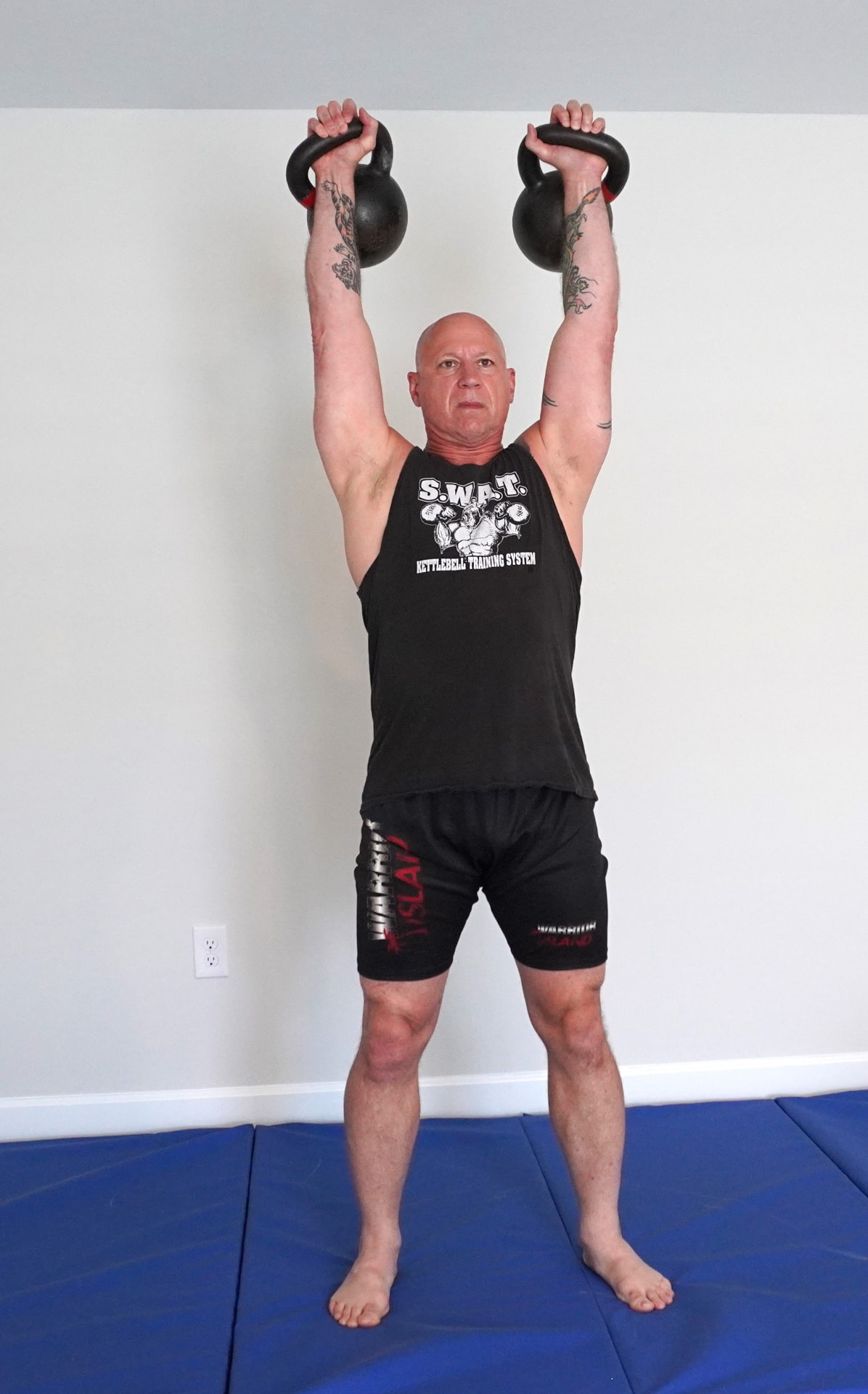
No. Adults in their 50s, 70s, even 90s gain real strength with resistance training. Master Phil Ross explains how aging changes muscle, balance and speed.
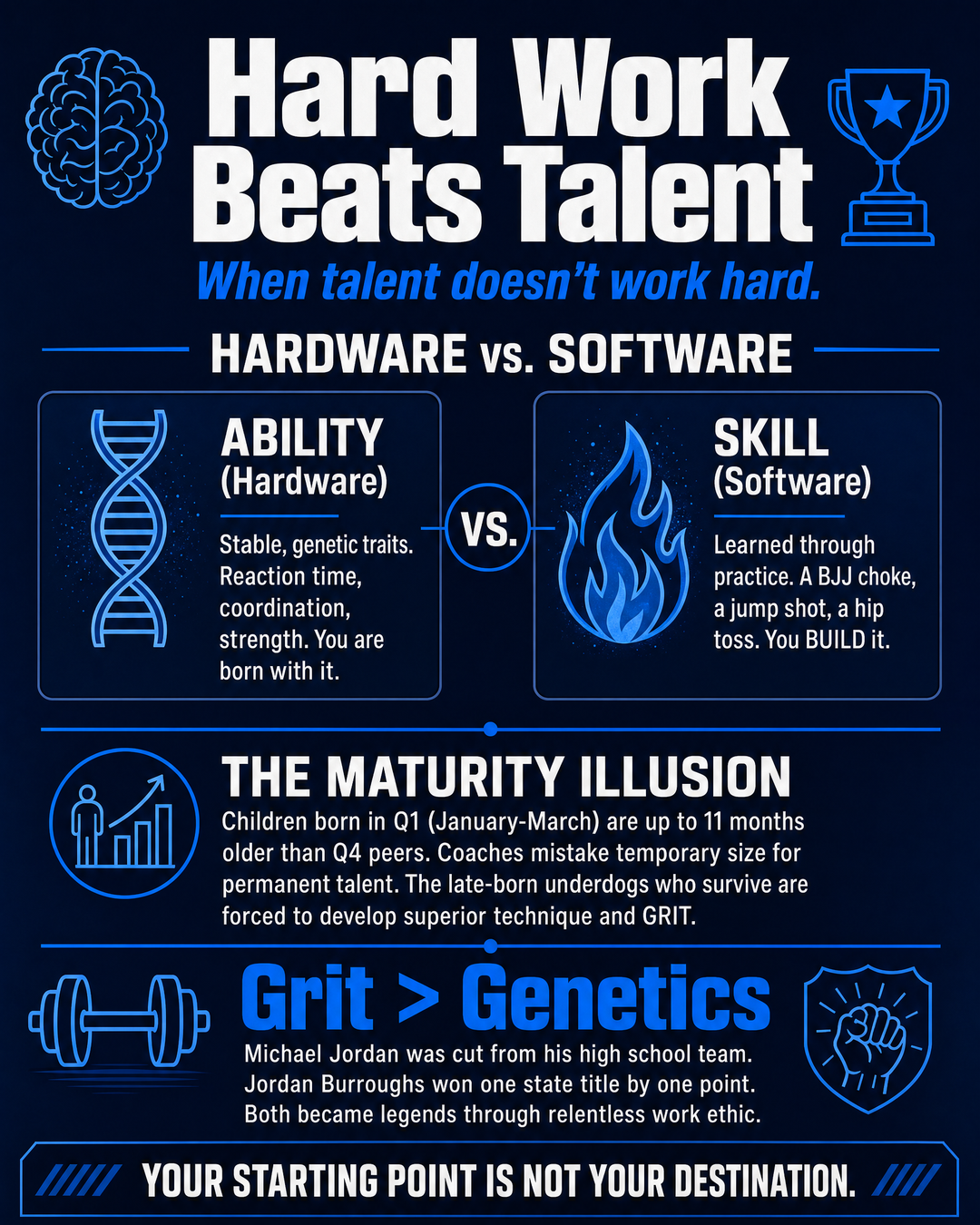
Elite athletes are rarely born; they are built. Motor learning research shows that abilities are genetic hardware, but skills are software written through practice, passion, and perseverance.
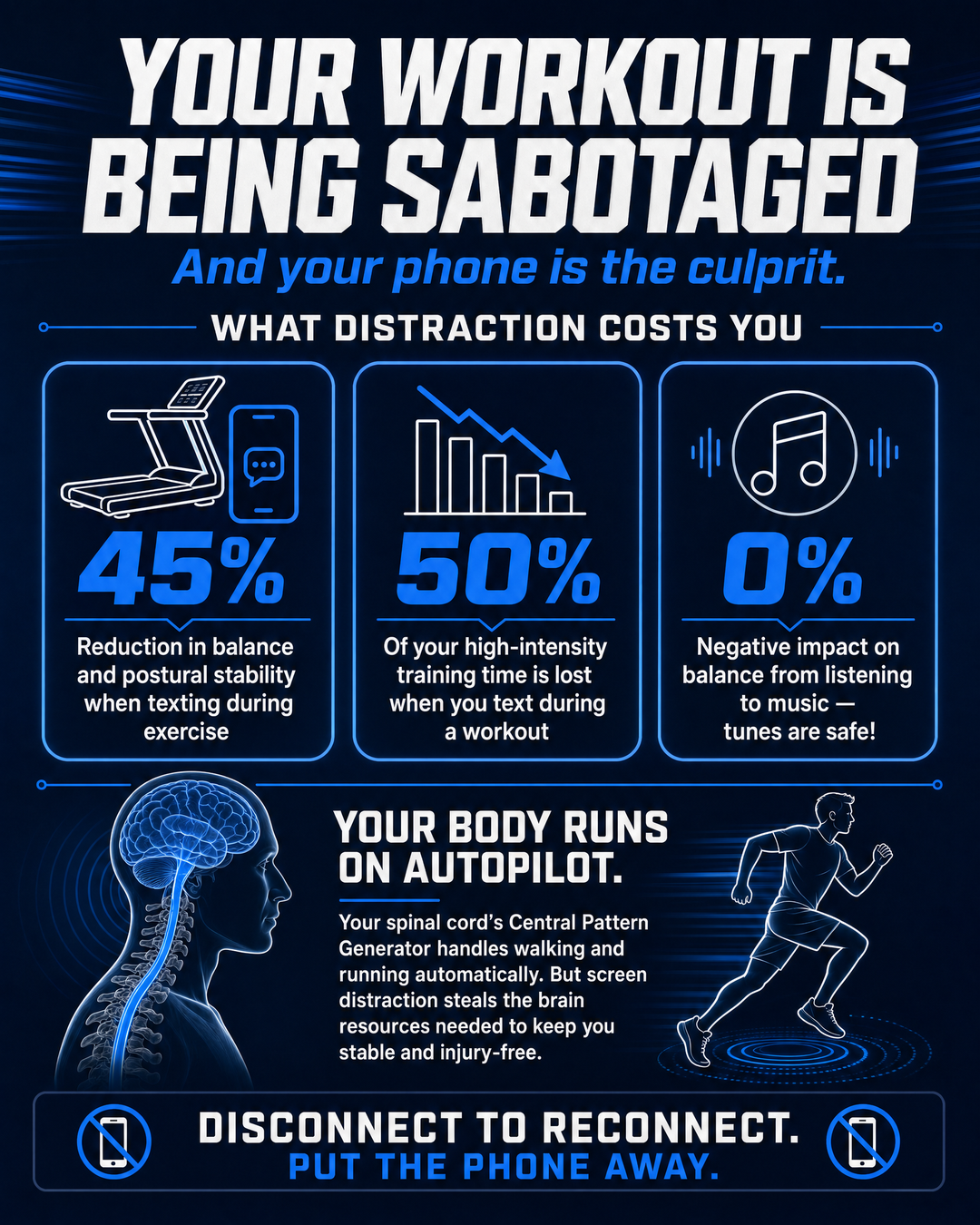
Modern gyms are built around distraction, screens, scrolling, and side tasks. The neurobiology of movement says that trade-off costs you intensity, balance, and safety.
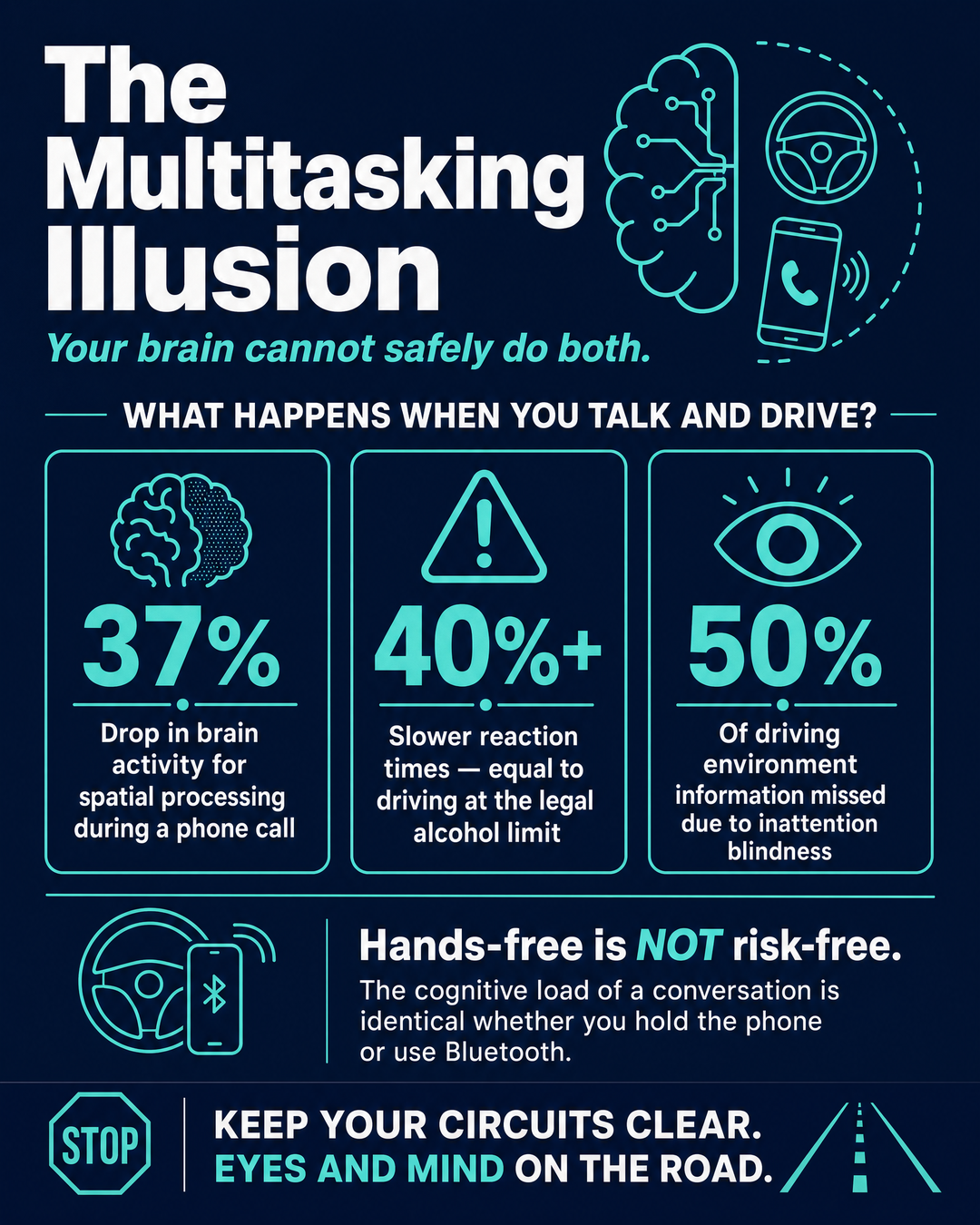
Cognitive science shows the brain can’t safely process a phone conversation and the road at the same time. Here’s what ‘inattention blindness’ really costs you behind the wheel.
A look back at a research-mining exercise on whole grains, bran, and germ intake and the risk of coronary heart disease in men, plus why processed grains still matter for adults today.
Supplements, headlines, and food labels can be confusing. Learn how to build a fitness and nutrition plan after 50 based on evidence, not hype.
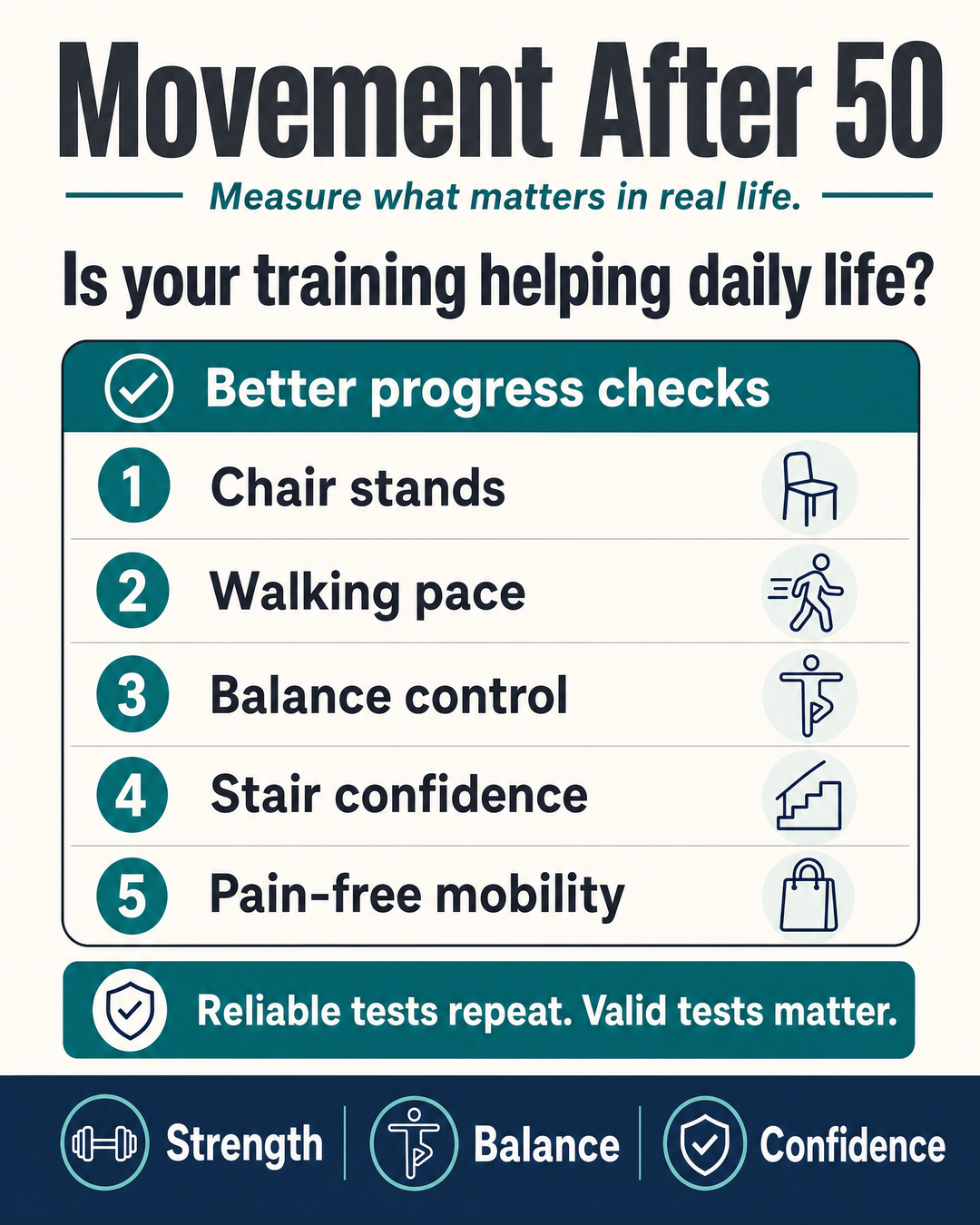
The best fitness test after 50 is not the fanciest one. It is the one that tells you whether your training is helping you live better, stay balanced, and avoid falls.
Exercise intensity matters more than the so-called fat-burning zone. Learn how to blend steady aerobic work, strength training, and smart nutrition for real results after 50.
Your body uses different energy systems depending on how hard and how long you move. Here’s how to train all three for stamina, strength, and independence after 50.
Weight control after 50 is not just about eating less, it's about choosing foods that fill you up while keeping calories in check. Here's how to build a smarter plate.
Quick energy is not the same as smart energy. Here's what adults over 50 should understand about caffeine, hydration, sleep, and safer ways to fuel training.
Exercise after 50 isn't just about strength or weight, it protects the brain, balance, mood, and independence. Here's a smarter, safer way to train body and mind together.
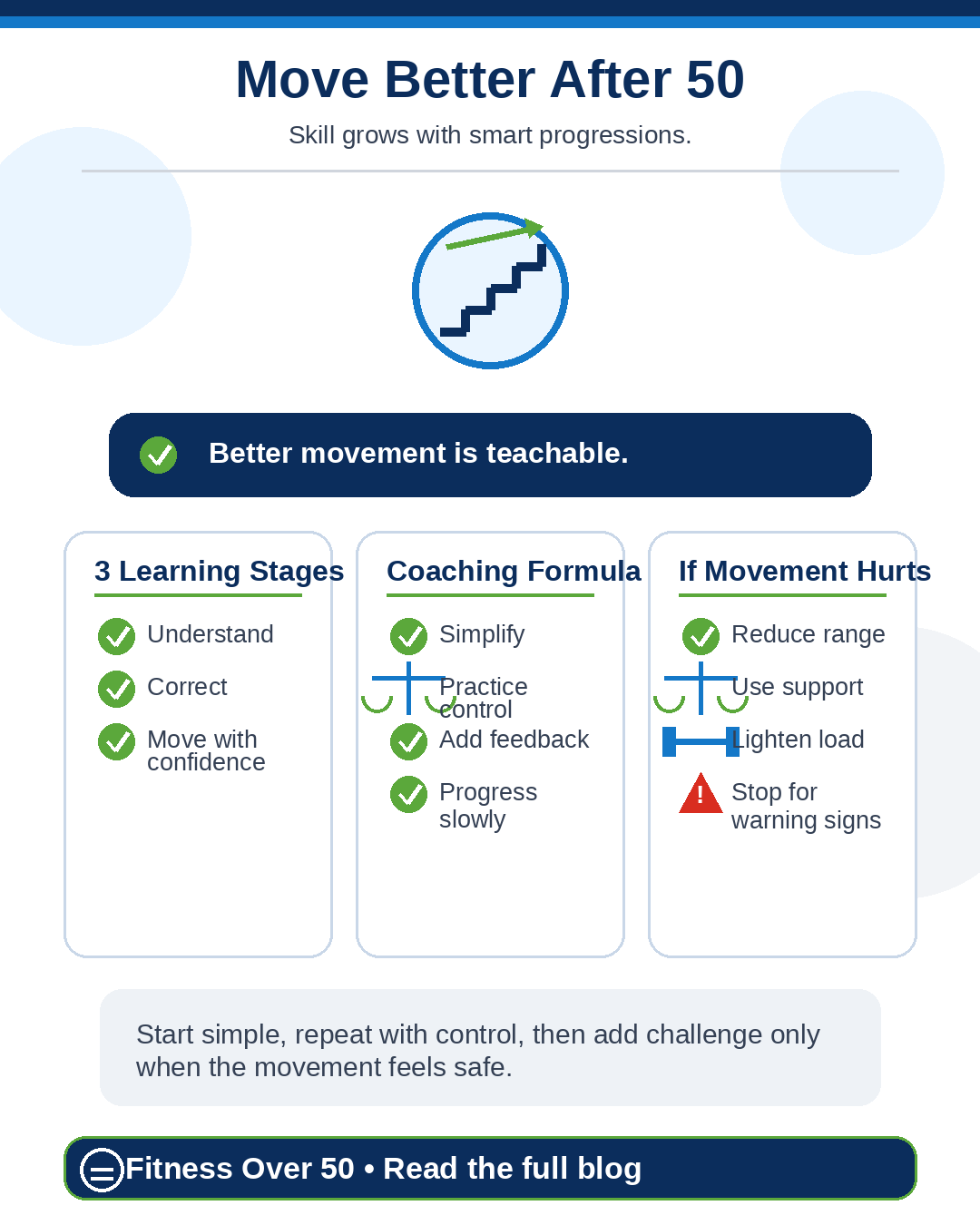
After 50, you can still learn new physical skills, you just need better coaching and smarter progressions. Here's how the stages of motor learning apply to strength, balance, and everyday life.