The Silent Epidemic: How to Defeat Sedentary Biology with Impulsive Movement
Nearly 1.8 billion adults don't move enough. The fix isn't more gym time, it's training your impulses so movement becomes the automatic default.
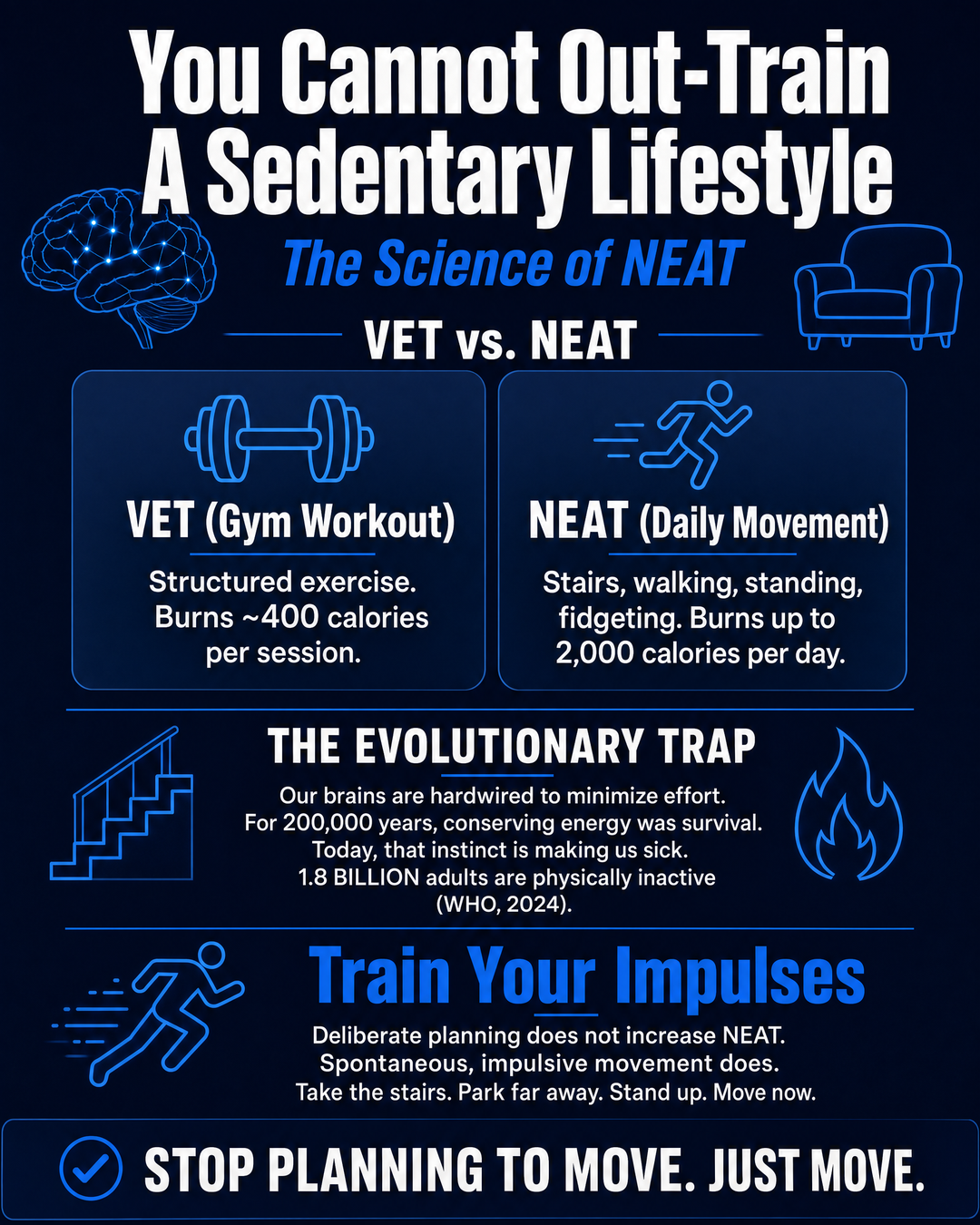
We are living in the middle of a global health crisis that has nothing to do with a virus. It is entirely of our own making, engineered by the conveniences of modern society. According to a 2024 report by the World Health Organization, nearly one third of the global adult population, approximately 1.8 billion people, do not meet the basic recommended levels of physical activity [1].
The consequences of this collective inactivity are staggering. Physical inactivity is now one of the leading risk factors for noncommunicable diseases worldwide, with the WHO estimating that up to five million deaths per year could be averted if the global population simply moved more [2].
How did we get here? Genetically, the human body has not changed significantly in the last two hundred thousand years. What has changed, drastically and rapidly, is our environment. Fifty years ago, daily life required immense physical exertion. Our grandparents burned thousands of calories performing manual labor, walking to work, tending gardens, and cleaning homes without automation. Today, we have engineered physical exertion out of our daily routines. We sit in cars, we sit at desks, we sit on couches, and we eat highly processed, calorically dense food.
To combat this perfect storm of obesity and metabolic disease, we must rethink our entire approach to daily movement. We cannot rely solely on the gym. We must understand the science of Non-Exercise Activity Thermogenesis and learn how to hack our own evolutionary biology.
The Caloric Power of NEAT
When most people decide they want to lose weight or become healthier, their first instinct is to join a gym. They commit to running on a treadmill for forty five minutes or lifting weights three times a week. In exercise science, this structured, intentional workout is known as Volitional Exercise Thermogenesis (VET).
While VET is critical for cardiovascular health and muscular strength, it is only a small piece of the daily metabolic puzzle. The true engine of daily caloric expenditure is Non-Exercise Activity Thermogenesis (NEAT) [3] [4].
NEAT is the energy expended for everything we do that is not sleeping, eating, or sports-like exercise [4]. It encompasses all the micro-movements of daily life: walking from the parking lot to the office, climbing a flight of stairs, carrying groceries, performing yard work, standing at a desk, and even subconscious fidgeting [4].
While a grueling spin class might burn 400 calories, a highly active lifestyle driven by NEAT can account for the expenditure of up to 2,000 calories on a daily basis [3]. NEAT is the single most variable component of daily energy expenditure across different individuals, and it is the primary reason why two people with identical diets and gym routines can have vastly different body compositions [4].
If you sit at a desk for eight hours, drive home, and sit on the couch for the rest of the evening, a forty five minute workout will not save you from the metabolic consequences of a sedentary lifestyle. You cannot out-train an entire day of physical stagnation.
The Evolutionary Trap: Effort Minimization
If NEAT is so powerful, why is it so difficult for modern humans to maintain it? Why do we circle the parking lot three times to find the closest spot, or stand perfectly still on a moving escalator?
The answer lies in evolutionary biology. For the vast majority of human history, calories were scarce and physical exertion was mandatory for survival. We had to hunt, gather, and escape predators. To ensure we had enough energy for these life or death tasks, the human brain evolved an automatic, hardwired attraction toward effort minimization [5]. Our brains are literally programmed to conserve energy whenever possible [5].
In the modern world, where survival no longer requires physical exertion and caloric-dense food is abundant, this evolutionary drive works against us. Our primitive brains see the escalator and the close parking spot as highly efficient survival choices [5]. To increase our daily NEAT, we have to actively fight against our own biological programming.
Hacking the Brain: The Reflective-Impulsive Model
How do we fight this biological urge to sit still? Psychologists use dual-process models to understand how we make decisions about physical activity. The most prominent of these is the Reflective-Impulsive Model (RIM) [3] [5].
According to the RIM, human behavior is driven by two distinct cognitive systems:
- Reflective Intentions: Slow, effortful, and deliberate cognitive processes. This is the part of your brain that sets a New Year's resolution or plans a workout schedule for the week.
- Impulsive Tendencies: Quick, automatic, reactive, and spontaneous actions. This is the part of your brain that automatically grabs a donut from the breakroom or instinctively chooses the elevator over the stairs.
A landmark study conducted at the University of Ottawa by Cheval, Sarrazin, and Pelletier examined which of these two cognitive systems was more effective at predicting and increasing daily NEAT [3]. The researchers tested 91 participants, measuring both their deliberate intentions to be active and their spontaneous, impulsive reactions to movement cues [3].
The results were highly revealing. The study concluded that slow, deliberate, reflective intentions had a negative linear effect on NEAT [3]. In other words, simply planning to be active did not translate into actual daily movement.
Conversely, impulsive approach tendencies were a strong positive predictor of NEAT [3]. Because NEAT consists of hundreds of spontaneous micro-movements throughout the day, it cannot be effectively managed by slow, deliberate planning.
Cognitive System: Processing Speed: Effort Level: Example Behavior: Impact on NEAT
Reflective Intention: Slow: High (Deliberate): Planning to go to the gym after work: Low (Does not increase incidental daily movement)
Impulsive Tendency: Fast: Low (Automatic): Spontaneously taking the stairs instead of the elevator: High (Drives hundreds of micro-movements per day)
Conclusion: Train Your Impulses
The science is clear. We cannot rely on deliberate planning to overcome the sedentary epidemic. If you want to increase your daily caloric expenditure, improve your metabolic health, and defeat your evolutionary drive to conserve energy, you must train your impulses.
You must rewire your brain so that movement becomes the automatic, default choice. When you approach a building, do not think about taking the stairs; just take them. When you drive to the grocery store, do not hunt for the closest spot; immediately park at the back of the lot. Stand up when you take a phone call. Walk while you listen to a podcast.
By turning these small, spontaneous actions into hardwired habits, you can effortlessly accumulate thousands of calories in Non-Exercise Activity Thermogenesis. You do not need to live in the gym to be healthy, but you do need to stop sitting still.
References
- World Health Organization. (2024). Nearly 1.8 billion adults at risk of disease from not doing enough physical activity.
- World Health Organization. Physical activity.
- Cheval, B., Sarrazin, P., & Pelletier, L. (2014). Impulsive approach tendencies towards physical activity and sedentary behaviors, but not reflective intentions, prospectively predict non-exercise activity thermogenesis. PLoS One, 9(12).
- Levine, J. A. (2002). Non-exercise activity thermogenesis (NEAT). Best Practice & Research Clinical Endocrinology & Metabolism, 16(4), 679-702.
- Cheval, B., & Boisgontier, M. P. (2021). The Theory of Effort Minimization in Physical Activity. Exercise and Sport Sciences Reviews, 49(3), 168-178.
More from the journal.
Get certified.
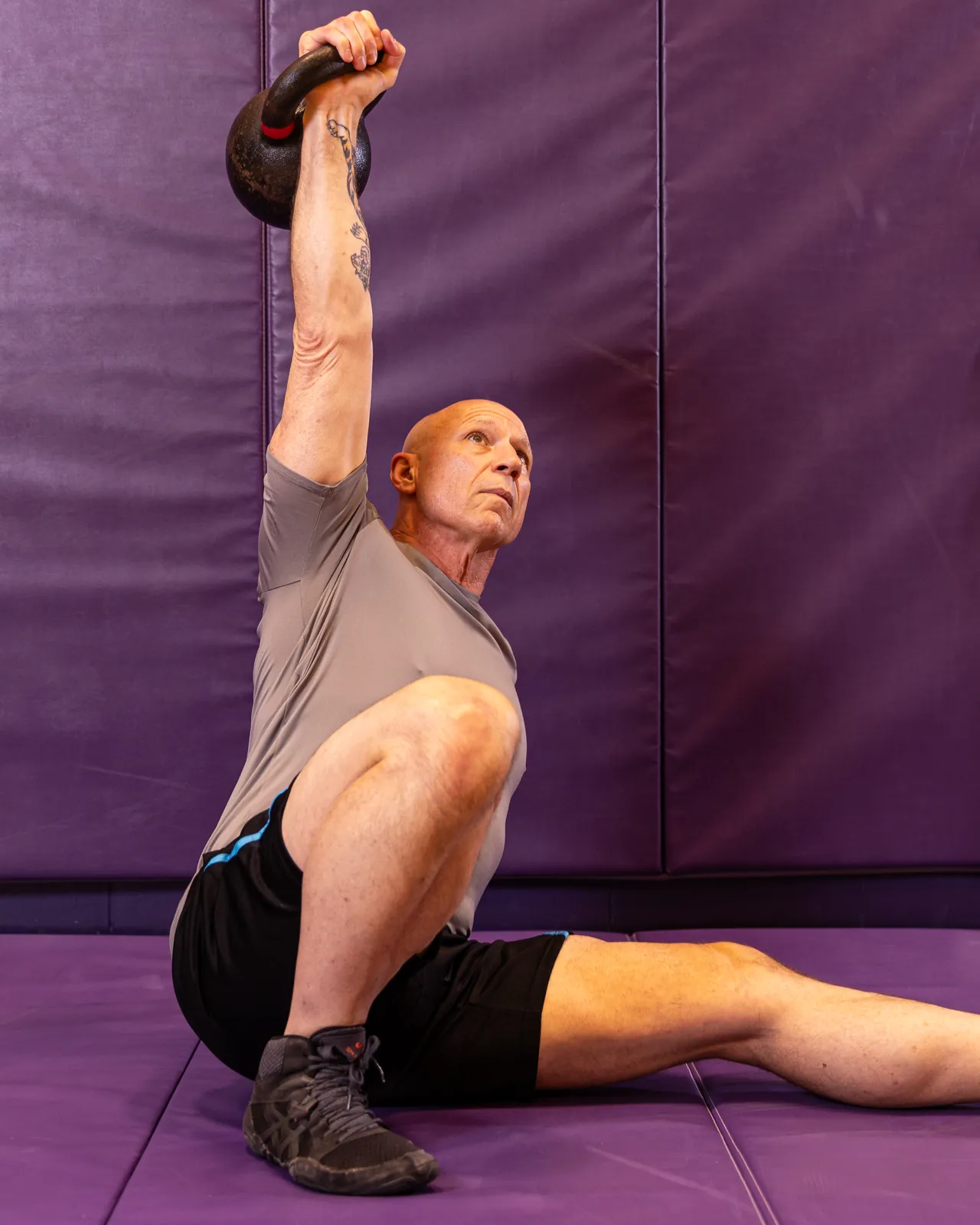
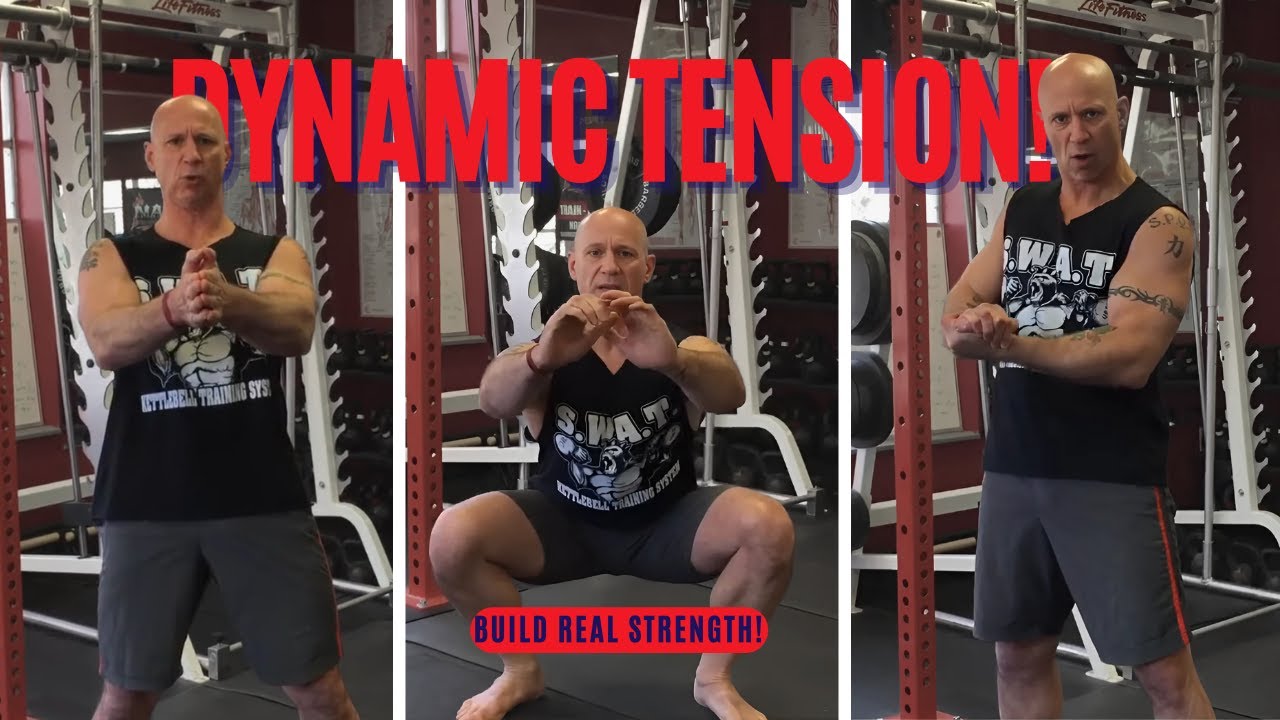
Teach kettlebell training, bodyweight exercises and dynamic tension with the BodyBell Method. The certification is approved for continuing education credits by NASM, ACE and AFAA.