Inactivity Is the New Smoking: Why Movement After 50 Is a Longevity Strategy
Inactivity is one of the biggest health risks adults can change after 50. Learn how small, repeatable movement habits protect strength, independence, and longevity.
Quick Answer
Inactivity is one of the biggest health risks adults can change, especially after age 50. Sitting too much and moving too little can increase the risk of weight gain, heart disease, type 2 diabetes, high blood pressure, loss of strength, loss of independence, and early death. The solution does not have to be extreme. For most adults over 50, the best starting point is consistent daily movement, strength training, balance work, better nutrition, better sleep, and gradual behavior change.
Inactivity, obesity, and poor lifestyle habits can damage health in ways that affect the heart, metabolism, joints, energy, mood, sleep, and quality of life. That message is especially relevant for people over 50 because this stage of life is a critical window for protecting mobility and independence.
Why Inactivity Matters So Much After 50
After 50, the body can lose muscle, strength, balance, and aerobic capacity more quickly when movement decreases. This does not mean decline is unavoidable. It means movement becomes more important. Every walk, every strength session, every set of stairs, and every few minutes away from the couch can help preserve function.
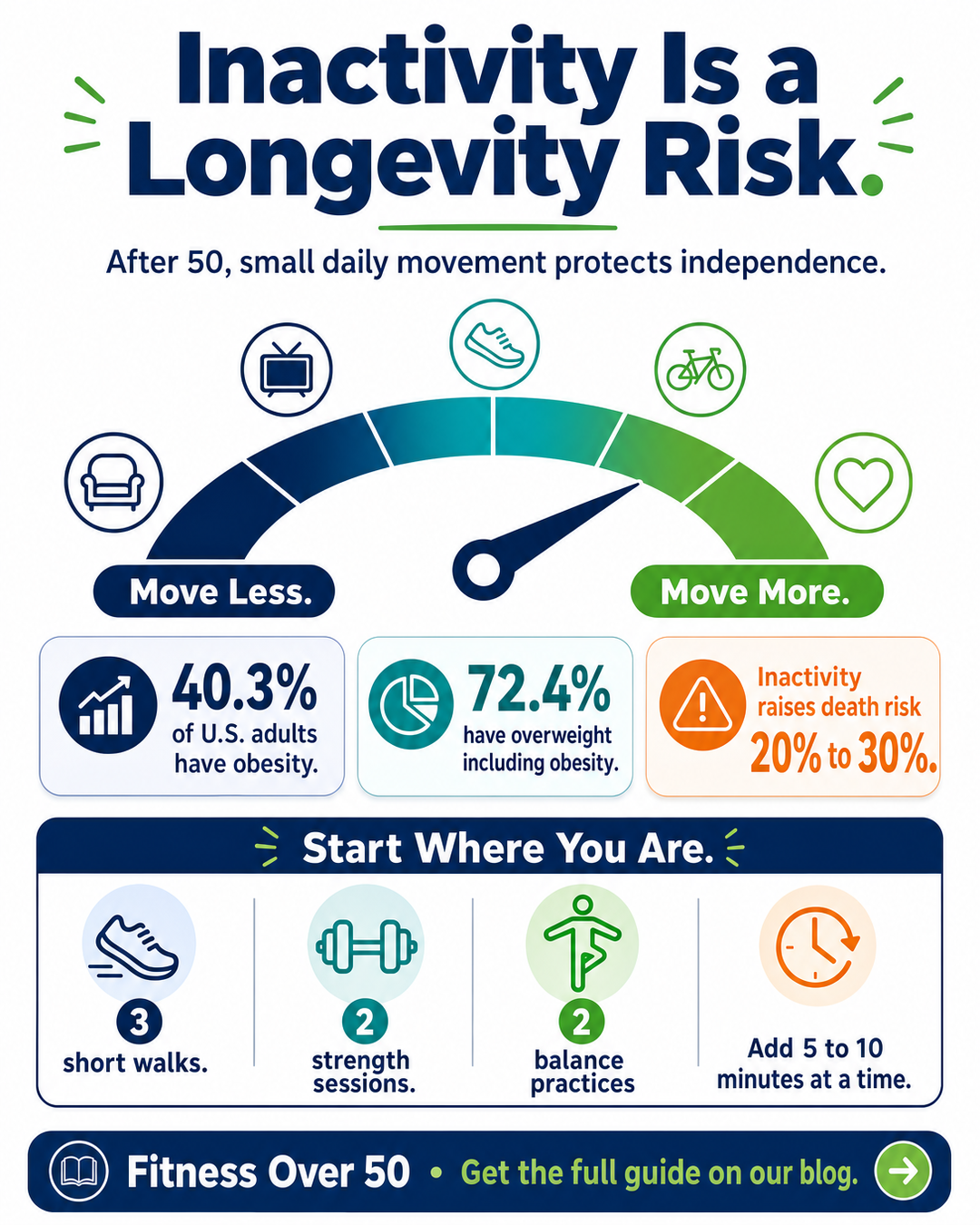
Recent CDC and NCHS data show that 40.3% of U.S. adults age 20 and older had obesity during August 2021 to August 2023, and 72.4% had overweight including obesity. During the same period, obesity prevalence was 46.4% among adults ages 40 to 59 and 38.9% among adults age 60 and older.
The global picture is also concerning. The World Health Organization reports that people who are insufficiently active have a 20% to 30% increased risk of death compared with people who are sufficiently active. This is why inactivity should be treated as a serious health risk, not just a lifestyle preference.
The Goal Is Health, Not Shame
Talking about obesity and inactivity requires respect. Shame does not build lasting habits. Compassion, accountability, and practical coaching do. Many adults over 50 are dealing with joint pain, old injuries, work stress, caregiving, poor sleep, medications, menopause related changes, low energy, or years of inconsistent activity. A realistic fitness plan must account for real life.
The goal is not to punish the body into change. The goal is to help the body function better. Better movement can improve energy, balance, blood pressure, blood sugar control, sleep quality, mood, and confidence. Even modest increases in activity can matter, especially for someone who has been mostly sedentary.
What the Guidelines Say
The CDC recommends that older adults aim for at least 150 minutes of moderate intensity aerobic activity each week, at least two days of muscle strengthening activity, and balance activities. That may sound like a lot if you are starting from zero, but the first step is simply to move more than you do now.
The CDC also emphasizes that some activity is better than none. If 150 minutes feels unrealistic today, begin with five to ten minutes at a time. Short sessions can build confidence and create momentum. Over time, those small sessions can become a sustainable routine.
Practical Advice if You Are in Pain or Having Trouble Getting Around
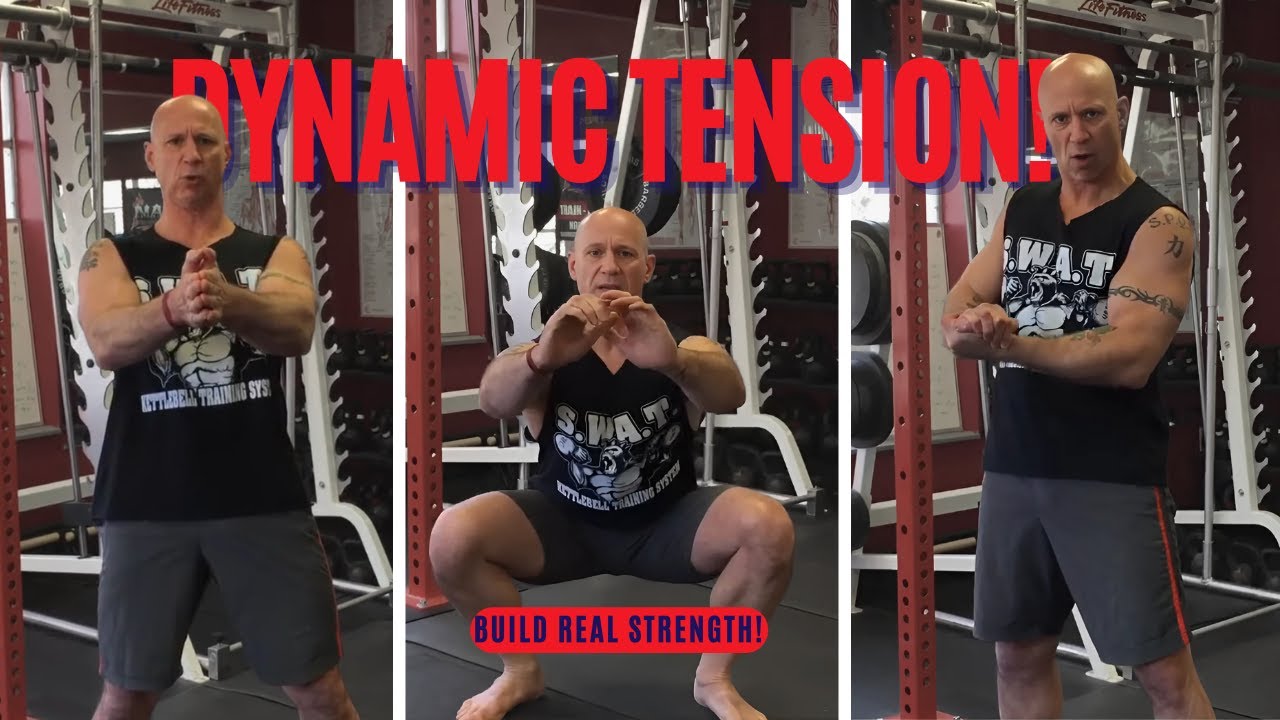
If you are carrying extra weight, dealing with arthritis, or having trouble walking comfortably, start with joint friendly movement. Walking is valuable, but it is not the only option. Water exercise, recumbent biking, chair based strength training, resistance bands, light dumbbells, and gentle mobility work can all help rebuild capacity while reducing joint stress. Dynamic tension exercises are another way to build strength at home with no equipment.
The CDC states that physical activity can help people with arthritis reduce joint pain and improve function and mood. That is a powerful message for adults who avoid movement because they fear pain. The right type of movement, done at the right level, can often help the body feel better over time.
Start with movements you can repeat consistently. A five minute walk after a meal, five chair sit to stands, a few wall pushups, gentle stretching, or a short water walking session can be enough to begin. When that feels manageable, add a few more minutes or one more exercise.
A Simple Weekly Starting Point
A practical starting routine for many adults over 50 is three short walks, two basic strength sessions, and two balance practice sessions each week. The walks can be as short as five to ten minutes. Strength work can include chair squats, wall pushups, band rows, step ups, light carries, and glute bridges. Balance practice can include supported single leg stands, heel to toe walking, slow marching, and controlled stepping in different directions.
This routine should feel doable, not destructive. Mild muscle soreness can happen when starting a new program, but sharp pain, chest pain, severe breathlessness, dizziness, or symptoms that feel unusual should be taken seriously. If you have heart disease, diabetes, major joint problems, neurological symptoms, or a long period of inactivity, consider getting medical guidance before increasing exercise intensity.
Nutrition and Lifestyle Still Matter
Movement is powerful, but it works best with other healthy habits. Protein intake, hydration, fiber rich foods, fruits, vegetables, sleep, stress management, and consistent meal patterns can all support weight management and energy. Adults over 50 should focus on behaviors they can sustain rather than short term extremes.
A better question than "How fast can I lose weight?" is "What habits can I repeat for the next six months?" Sustainable change is built from repeated actions. Walk a little more. Strength train twice a week. Add vegetables to meals. Drink more water. Improve sleep. Reduce long sitting time. These actions may seem small, but they compound.
The Message to Remember
Inactivity is not a character flaw. It is a health risk that can be changed one decision at a time. If you are over 50, movement is one of the best investments you can make in your future independence.
You do not need to start with a perfect plan. You need to start with a repeatable one. Every walk, every strength session, every healthier meal, and every step away from the couch is a vote for a stronger future.
More from the journal.
Get certified.
Teach kettlebell training, bodyweight exercises and dynamic tension with the BodyBell Method. The certification is approved for continuing education credits by NASM, ACE and AFAA.